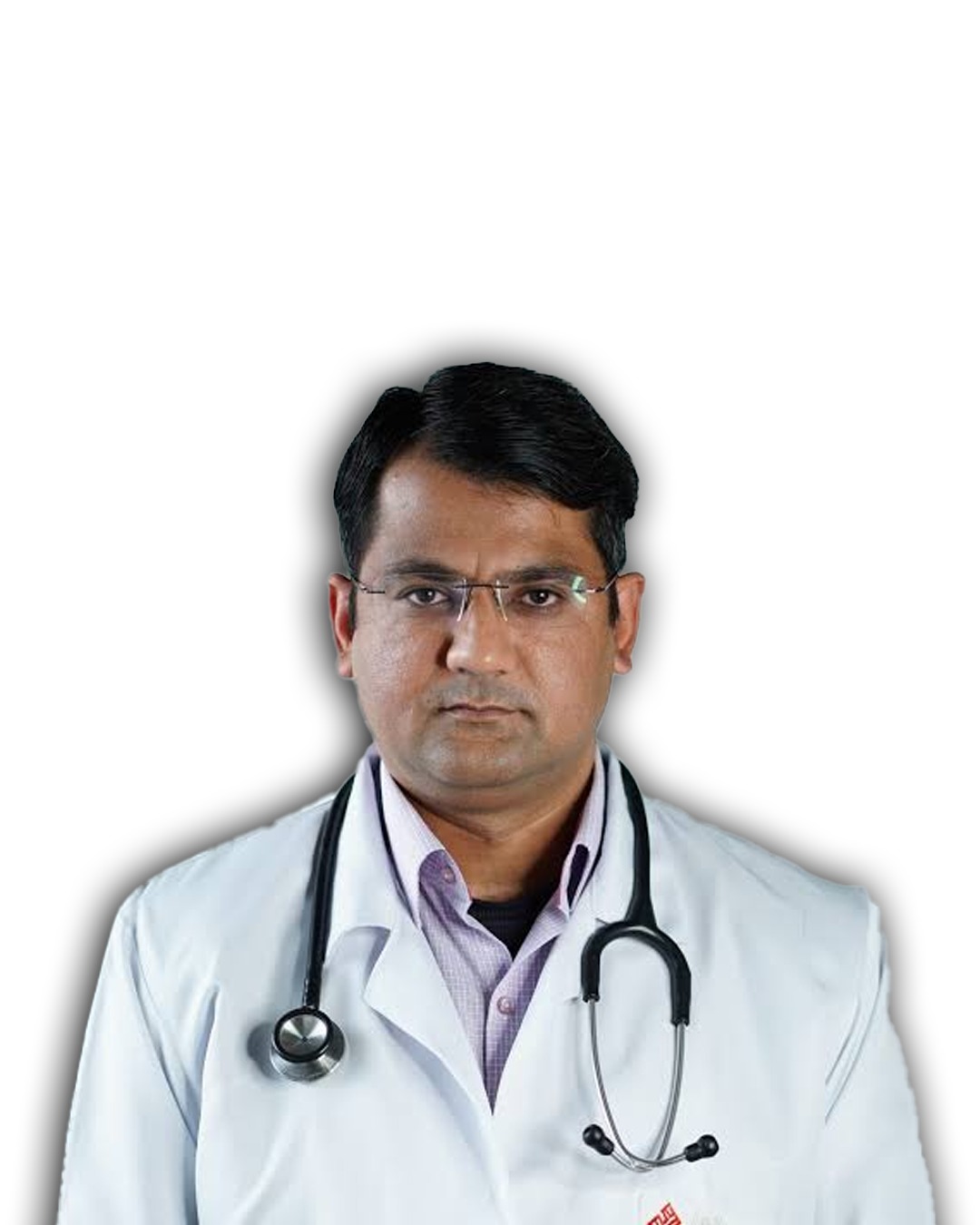
Breathe Better, Live Better
Expert medical care, modern facilities and patient-centered treatment under one trusted hospital system.
The Pulmonology Department at Quaid-e-Azam International Hospital provides comprehensive diagnosis, treatment, and long-term management of respiratory and lung-related diseases. Our team of experienced pulmonologists is committed to delivering high-quality, patient-centered care using advanced diagnostic and therapeutic approaches.
Asthma
Chronic Obstructive Pulmonary Disease (COPD)
Lung infections (Pneumonia, Tuberculosis, etc.)
Allergic respiratory conditions
Chronic cough and breathing difficulties
Interstitial lung diseases
Sleep-related breathing disorders
Pulmonary Function Tests (PFTs) for lung capacity and function assessment
Bronchoscopy for advanced airway examination
Asthma & COPD Management Programs
Lung Infection Diagnosis & Treatment
Allergy-Related Respiratory Care
Long-Term Respiratory Disease Management
Modern respiratory diagnostic equipment
Specialized pulmonary testing laboratories
Advanced monitoring for chronic lung diseases
Integrated care with ICU and emergency services
Early and accurate diagnosis of respiratory conditions
Individualized treatment plans for each patient
Evidence-based and internationally aligned care protocols
Focus on long-term lung health and quality of life
Compassionate and continuous patient support
At Quaid-e-Azam International Hospital, the Pulmonology Department is dedicated to providing safe, effective, and advanced respiratory care to help patients breathe easier and live healthier lives.
Our department combines experienced consultants, advanced diagnostics and coordinated hospital support to deliver dependable care.
Services are structured to support diagnosis, treatment planning, procedures and long-term patient care.
Expert consultation, diagnosis and treatment planning by experienced specialists.
Comprehensive assessment supported by hospital diagnostic and laboratory services.
Care plans tailored according to patient condition, history and clinical need.
Coordinated care with hospital facilities, nursing support and monitoring when required.
Patients are guided step-by-step from consultation to diagnosis, treatment and follow-up.
Meet the specialist and discuss symptoms, reports and treatment concerns.
Clinical assessment, investigations and diagnosis confirmation.
A clear plan is prepared according to patient condition and priorities.
Ongoing monitoring, review and long-term care support.
Book an appointment with QIH specialists and receive expert evaluation, treatment guidance and follow-up support.